Christchurch Passive Fire Defects
Common Passive Fire
Defects Identified During Inspections
Understanding the most common passive fire defects identified throughout buildings across Christchurch and Canterbury.
Inspection Findings
Hidden Defects Create Real Risk
Passive fire defects are often concealed above ceilings, within risers, service shafts and wall penetrations until inspections are carried out.
Compromised fire compartmentation can allow smoke and fire to spread more rapidly throughout a building, affecting escape routes and fire separation performance.
Across Christchurch and Canterbury, passive fire defects are commonly identified during BWOF reviews, remediation projects, tenancy fitouts and existing building inspections.
Common Defects
Typical Passive Fire Issues
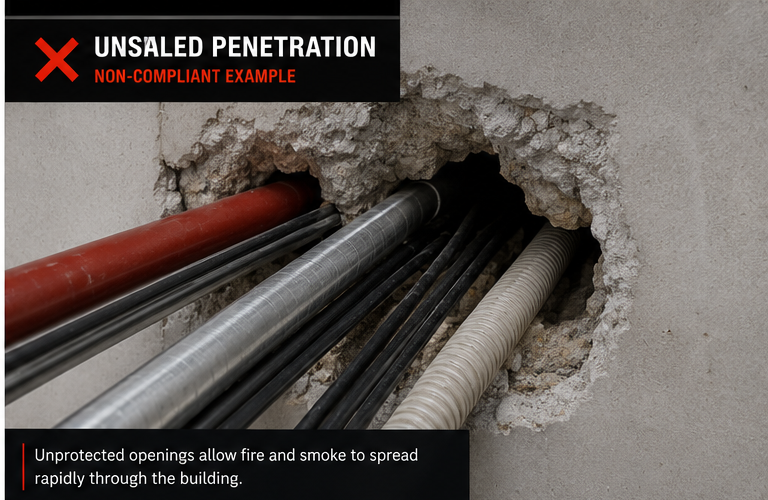
Unsealed Service Penetrations
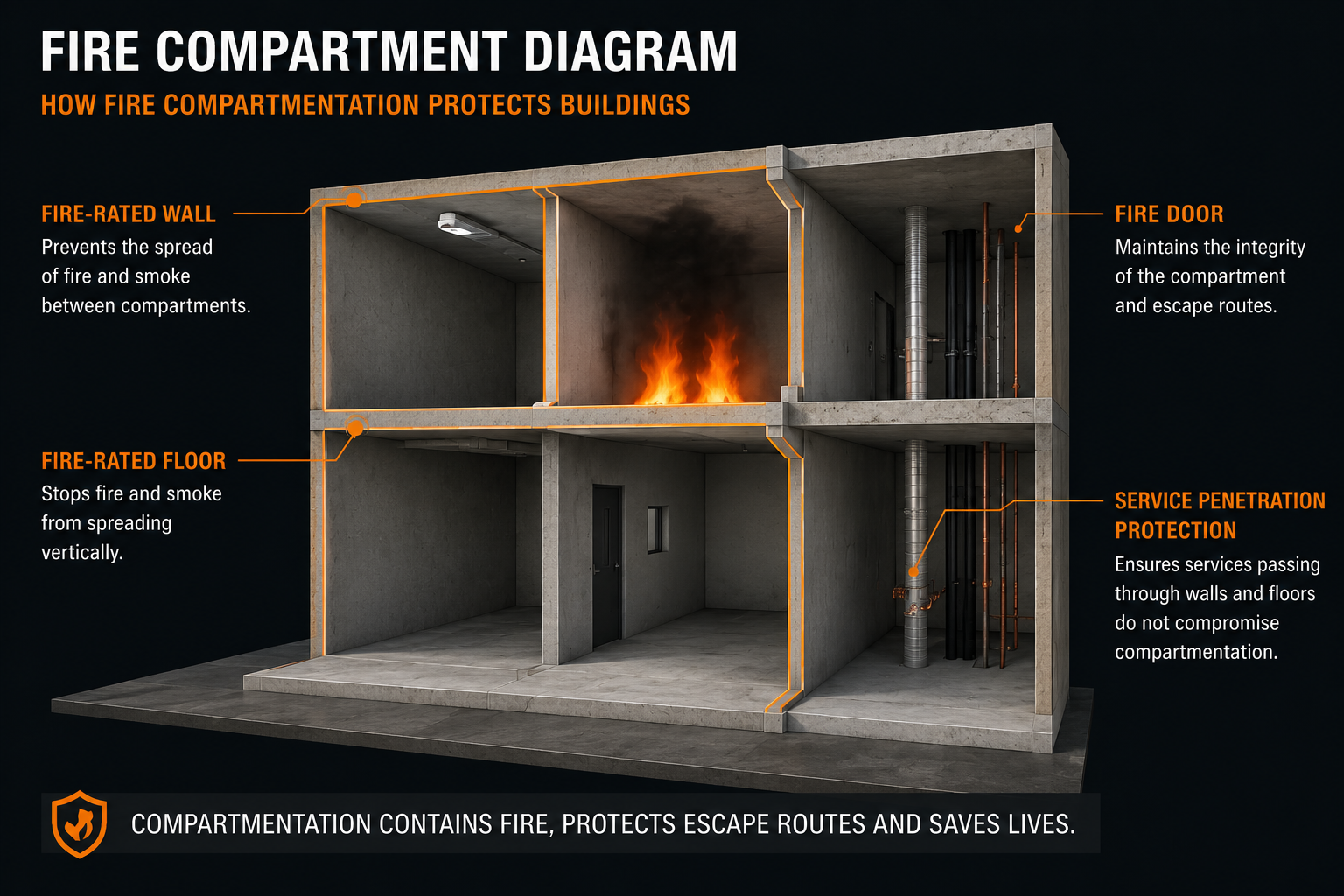
Pipes, cables and ducts passing through fire-rated walls and floors without compliant fire stopping protection.
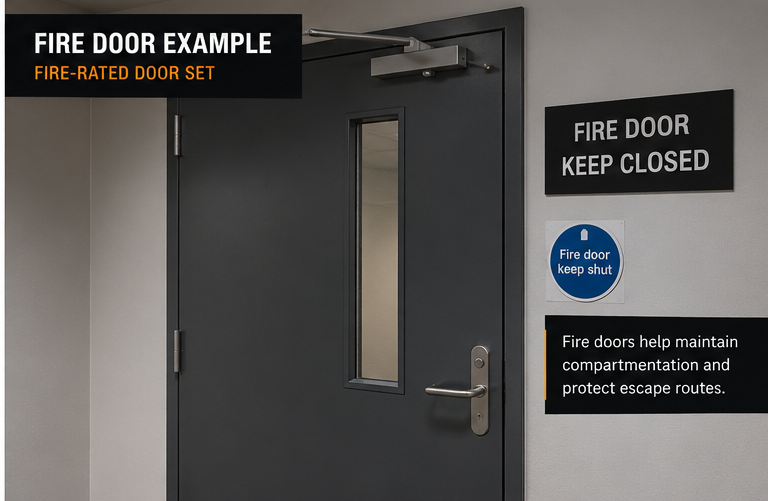
Excessive Fire Door Gaps
Fire doors with excessive perimeter gaps can allow smoke and fire to spread between compartments.
Missing Smoke Seals
Damaged or missing smoke seals reduce the effectiveness of fire doors protecting escape routes.
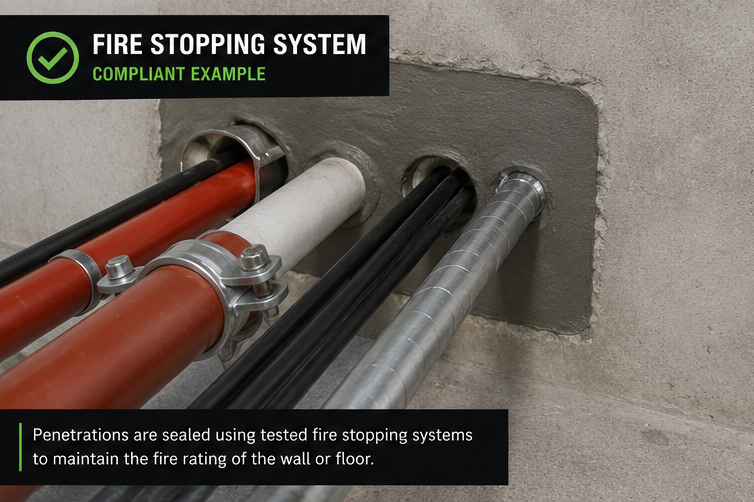
Non-Compliant Fire Stopping
Incorrect products, foam fillers or untested systems installed around service penetrations.
Compromised Ceiling Barriers
Missing ceiling barriers and open voids can compromise fire compartmentation throughout buildings.
Damaged Fire-Rated Walls
Openings, damaged linings and unprotected modifications affecting fire-rated wall performance.
Why It Matters
Fire Compartmentation Must Remain Intact
Passive fire systems are designed to slow the spread of fire and smoke throughout buildings, helping protect occupants and supporting evacuation pathways.
Defective penetrations, damaged fire doors and compromised fire-rated barriers can reduce the effectiveness of compartmentation systems.
Maintaining passive fire systems is an important part of building fire safety management, BWOF compliance workflows and ongoing building maintenance throughout New Zealand.
Inspections & Reporting
Identifying & Documenting Defects
Passive fire inspections help identify defects, document issues and support structured compliance workflows.
Inspection findings are commonly recorded using photographs, penetration schedules, floor plans, defect registers and compliance reporting systems.
BAKKER PFI LTD uses structured inspection workflows and Codexus digital compliance systems to support passive fire visibility throughout buildings across Christchurch and Canterbury.
Continue Learning
Explore More Passive Fire Topics
Continue learning about fire compartmentation, service penetrations, inspections, fire doors and passive fire compliance workflows.